The first sale is usually what triggers the worry. You engraved a cutting board from a design you downloaded, someone at a market actually paid for it, and somewhere on the drive home a question surfaces: was I allowed to sell that?
It is the right question, and the craft file market does a poor job of answering it. License terms hide in FAQ pages, "commercial use" means five different things at five different shops, and the horror stories about Etsy takedowns are just common enough to be scary. This guide lays out how SVG licensing actually works: what our license covers, where its edges are, and what to check before you buy files from anyone, including us.
One framing note before we start. We can tell you exactly what our license permits and how licensing conventions run across this industry, and that is what this article does. It is not legal advice for your specific business situation.
Tip
Short answer: every PrintCutCarve purchase includes a commercial license. Sell unlimited physical products on any channel, whether you make them yourself or use print-on-demand. You cannot resell the digital files or claim the designs as your own.
The line between personal and commercial use
The distinction is simpler than the terminology suggests: does money change hands for the finished item?
Personal use covers everything you make for yourself, your family, and gifts. Ornaments for your own tree, a sign for your sister, shirts for a family reunion. No sale, no commercial question.
Commercial use is making items to sell. Etsy, craft fairs, Amazon Handmade, your own website, a local boutique carrying your work on consignment, even a charity auction table. If the finished product is sold, treat it as commercial and make sure your files are licensed for it.
Custom orders count too, and this catches people who do not think of themselves as running a shop. A coworker pays you to engrave a sign with her family name, a friend of a friend orders twenty wedding favours: those are sales, and the files behind them need commercial rights just as much as an Etsy listing does.
The trap is that most files floating around the internet are licensed only for the first category, and nothing about the file itself tells you which kind you have. The license is a separate promise from the seller, which is why knowing what you bought matters more than what you downloaded.
What our commercial license allows
Every purchase at PrintCutCarve, whether a $3.99 pack or a Platinum Club membership, includes the same commercial license automatically. There is no add-on, no upgrade, and no separate commercial tier. Here is what it covers:
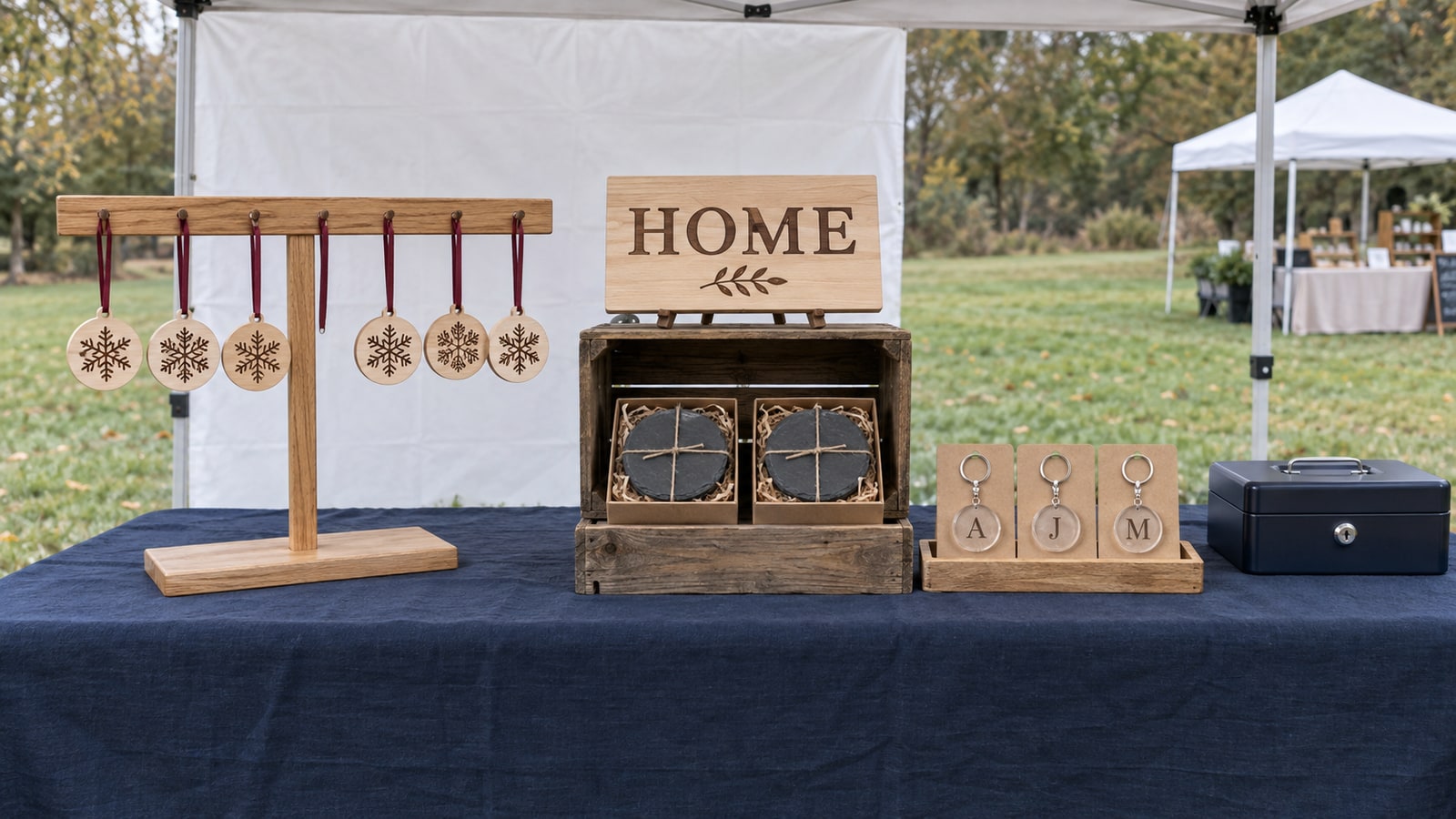
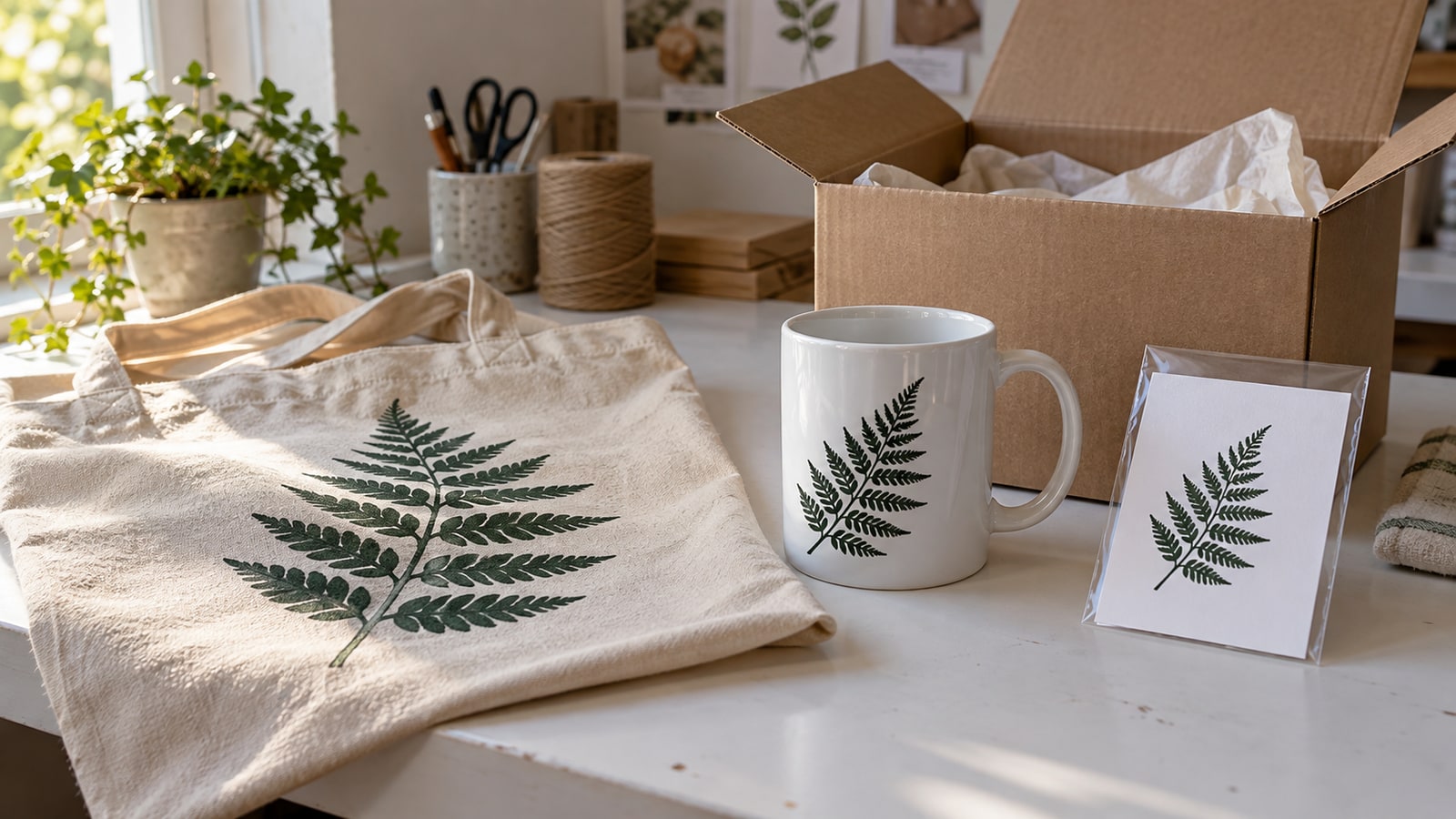
- Sell unlimited physical products. T-shirts, signs, mugs, ornaments, decals, engraved boards, CNC carvings, anything physical you make from the design. There is no unit cap. If a design becomes your best seller, keep selling it.
- Use any machine. Cricut, Silhouette, laser, CNC router, vinyl plotter. The license cares about what you sell, not what you cut it on.
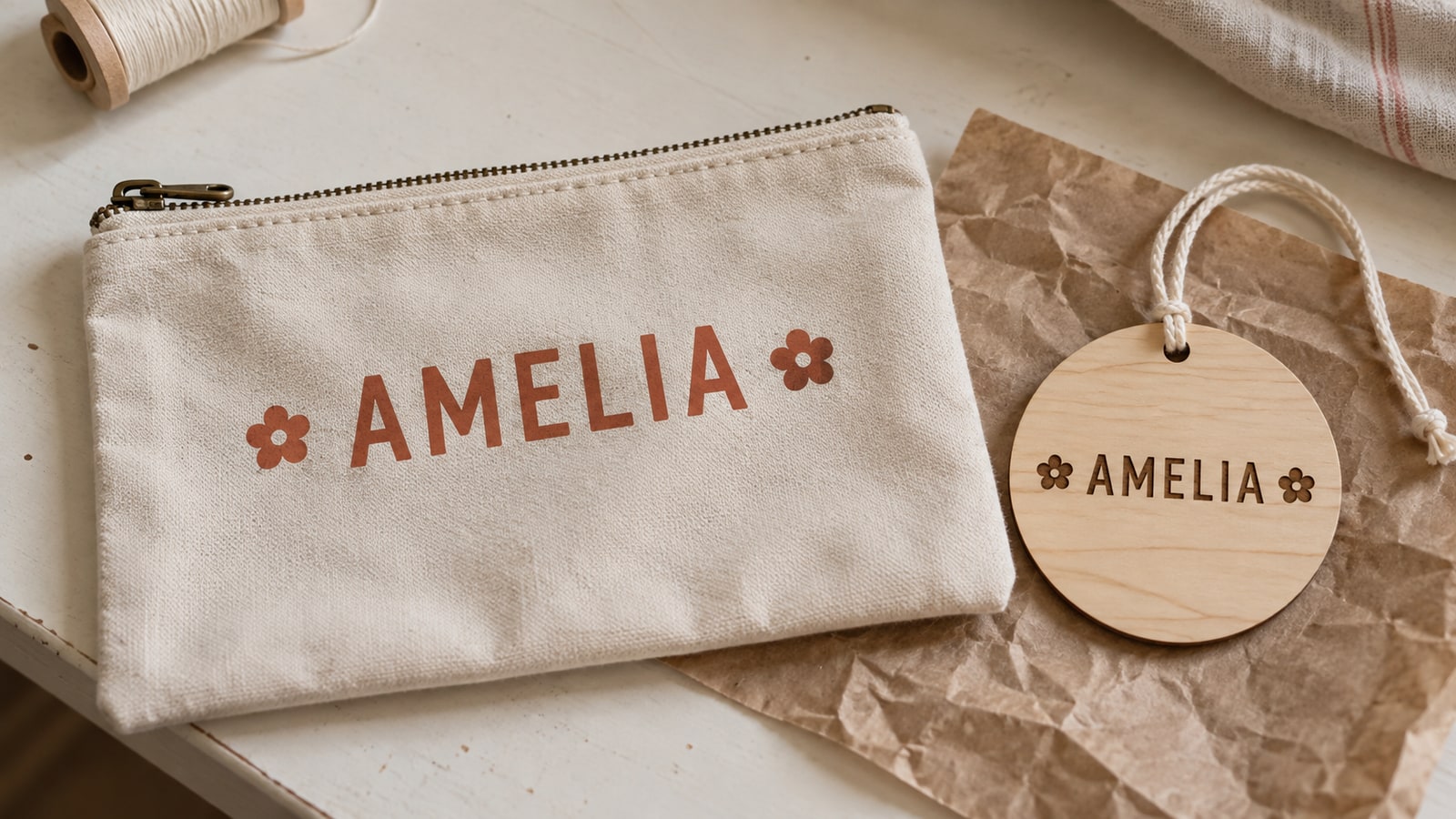
- Modify freely. Resize, recolor, combine designs, add a customer's name, weld a saying onto a frame. Personalized versions are still covered.
- Sell on all your channels at once. The license is not tied to one shop or platform. Etsy, markets, your own site, wholesale to a local store: all fine, simultaneously.
The full terms live on our license page rather than buried in a FAQ, and members get the same commercial rights across their entire download library.
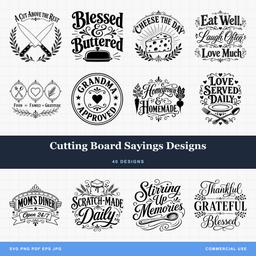 Cutting Board Sayings Designs40 designs, commercial license included$3.99
Print-on-demand: allowed here, often not elsewhere
The most common licensing question is about Redbubble, Printful, Amazon Merch on Demand, and their cousins. Our answer is yes, and that is worth saying clearly, because most design sellers say no.
On a print-on-demand platform you upload the design to a third party, and that company prints, produces, and ships the product. Plenty of licenses draw the line exactly there, reasoning that the maker has left the loop. Ours does not: the finished product is still yours to sell, whoever runs the press.
The limit that does still apply is the same one that applies everywhere else. You are uploading the design for production, not handing over the file for someone else to keep or resell. If a platform offers to redistribute the file itself, that is outside the license no matter who prints the shirt.
If you are comparing sellers, check this specifically. A pack that looks cheaper elsewhere may carry a POD restriction that rules out the exact business you are planning.
What the license does not allow
A few restrictions are near universal, and ours follows the same pattern:
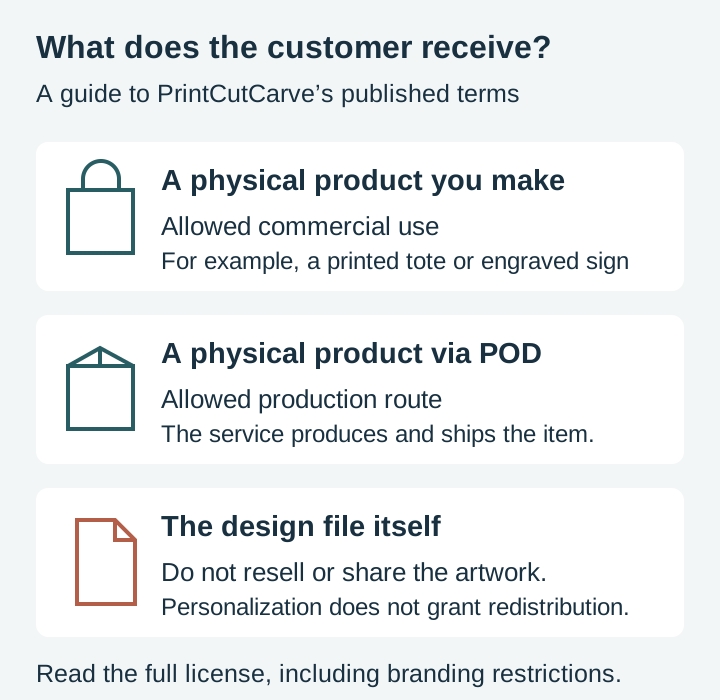
- No reselling or sharing the digital files. The license covers physical products. Selling, trading, or "sharing" the SVG, PNG, or any other file in the pack is exactly the thing the license exists to prevent. That includes uploading files to shared Google Drives and Facebook file swap groups.
- No claiming the design as your own. You own every physical product you make. The design itself remains the creator's intellectual property.
- No logos or trademarks. Designs are licensed for products, not for branding. Registering a design as your business logo or as part of a trademark is outside the license.
Physical means physical
A quieter edge case trips up sellers who work digitally: end products that are themselves files.
The license covers physical products, and that word is doing real work. An engraved board, a shirt, a decal on a tumbler: all physical, all covered. But a printable wall art file, a digital planner page, or a "make it yourself" cut file bundle built from purchased designs is a digital product, and selling one means the design travels to your customer as a file. That is the exact thing the no-redistribution rule exists to prevent, no matter how much editing happened in between.
The test is simple. If the customer receives an object, you are on the covered side of the line. If the customer receives a file that contains the design, you are not. This pattern holds across nearly every design shop, not just ours, and it is one of the most common honest mistakes that ends in a takedown notice.
Do you have to credit the designer?
Under our license, no. No attribution, no "design by" line in your listing, no link back. The finished product is yours to present as your own work, because the making genuinely is your work.
Attribution requirements do exist elsewhere in the market, mostly attached to free files, where a credit link is effectively the price. There is nothing wrong with those terms, but they add friction to a product listing, and forgetting the required credit is a license violation like any other. It is one more line worth checking before you build on a free file.
One more boundary that sits above every license in the market: no seller can grant you rights they do not own. A file depicting a sports team logo, a cartoon character, or a band name is a problem no matter whose shop it came from and no matter what the license page says, because that IP belongs to a third party. Generic designs, original sayings, animals, florals: these are what a design shop can genuinely license. If a file leans on someone else's brand, the license under it is hollow.
Why this matters for a craft business
The enforcement mechanism is not hypothetical, and it does not usually start with lawyers. It starts with your platform.
Etsy, Amazon Handmade, and similar marketplaces operate takedown systems for intellectual property complaints, built on the DMCA process in the US. A designer who finds their files used without a license files a report, and platforms generally act quickly on compliant reports: listings are often taken down or disabled while questions get sorted out afterward. You can counter-file if the claim is wrong, but while that plays out your product is offline, and repeated reports against a shop can suspend or close it entirely.
For a business that lives on its reviews and search ranking, even a takedown wave that ends in your favour is expensive. Listings lose their sales history and momentum, and a suspension freezes every product, not just the disputed one.
The flip side is how cheap compliance is. Properly licensed files cost a few dollars, the license paperwork is your purchase receipt, and the anxiety disappears. If you are building toward a real shop, our guide to selling crafts on Etsy covers the rest of the setup; licensing is simply the foundation layer.
How license terms differ across sellers
Not every "commercial license" is the same license. These are the four dimensions that actually vary when you compare design shops, and where the common patterns sit:
| License term | What you will find in the market | What to prefer |
|---|---|---|
| How it is sold | Included with purchase, or a paid add-on per design or per shop | Included, so every file you own is automatically covered |
| Unit limits | Unlimited, or capped (100, 500, or per-design tiers) | Unlimited, because caps punish your best sellers |
| Print-on-demand | Almost always excluded; POD licenses rare and costly | Assume excluded unless explicitly granted in writing |
| File redistribution | Universally prohibited | No variation here; anyone permitting it should worry you |
A capped license deserves special attention because it fails at the worst moment. Five hundred units sounds generous until one tumbler design goes viral in October, and suddenly your best month is a license violation. Check the cap before you build a product line on a file, not after.
What about free SVG files?
Free files are the murkiest corner of the market. The overwhelming majority are licensed for personal use only, and the terms saying so are often a single line in a site footer.
Even sites advertising "free for commercial use" deserve a careful read. Some limit commercial use to a set number of sales, some require attribution on every listing, and some exclude specific product types. There is also a quieter problem: free file sites sometimes host designs lifted from paid shops, which means the site never had rights to grant in the first place. The person who gets the Etsy takedown is not the site; it is the seller who used the file.
None of this makes free files useless. It makes them fine for personal projects and a gamble for a business. Our comparison of free versus paid SVG sources goes deeper on when each makes sense.
A two minute license check for any seller
Before buying files anywhere, including from us, run this quick audit:
- Find the license page. A real one, linked and public. If you cannot find written terms, ask before buying, and treat silence as a no.
- Check whether commercial use is included or an upsell. Factor the add-on price into the real cost of the file.
- Look for unit caps. The word "unlimited" should appear, or a number will.
- Confirm the POD position. Assume excluded unless stated otherwise.
- Keep your receipts. Your purchase history is your proof of license. Ours stays in your account permanently, so a question three years from now has a paper trail.
Five checks, and the entire category of licensing risk drops out of your business.
Our approach, in one place
We sell to people building craft businesses, so the licensing is built to disappear as a concern. Every product is $3.99 and carries the full commercial license. The Platinum Club is $59.99 per year, and the same license covers everything members download, with new designs added regularly. Unlimited physical products, all channels, terms published in plain language on the license page.
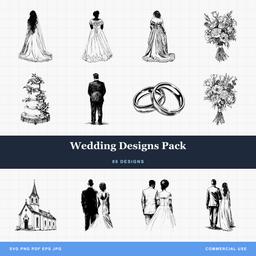 Wedding Designs Pack89 designs, commercial license included$3.99
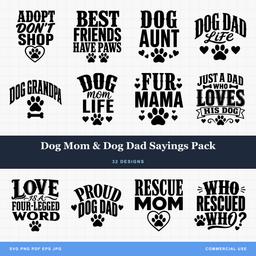 Dog Mom & Dog Dad Sayings Pack32 designs, commercial license included$3.99
Browse the design collections and build your product line on files you never have to think twice about. Then, when the pricing question follows the licensing one, our guide to pricing handmade crafts is the next read.
Designs for this project
Frequently Asked Questions
Can I sell products made with PrintCutCarve designs on Etsy?
Yes. Every purchase includes a commercial license covering unlimited physical products across all your sales channels, including Etsy, Amazon Handmade, craft fairs, your own website, and local shops.
Can I use these designs on Redbubble, Printful, or Amazon Merch on Demand?
Yes. The commercial license covers print-on-demand platforms, where a third party prints and ships the product for you. That is unusual in this market, since most design sellers prohibit it, so it is worth checking before you assume a competitor allows the same thing. The limit is that you upload the design for production and never hand over the file for the platform to redistribute.
Do I have to buy the commercial license separately?
No. It is included with every purchase, with no add-ons or upgrades. Some sellers charge extra for commercial rights, so it is worth checking what you are getting before you buy design files anywhere.
Is there a limit on how many items I can sell?
No. The license is unlimited. Some commercial licenses cap you at a set number of units, which becomes a real problem if a product takes off, so look for quantity limits when comparing sellers.
Can I resell or share the SVG file itself?
No. The license covers physical products you make, not the digital file. You also cannot claim the design as your own creation or use it in a logo or trademark.
Are free SVG files safe to use commercially?
Usually not. Free files found online are almost always personal use only. Even when a site says free for commercial use, read the terms carefully, because some define commercial use very narrowly.