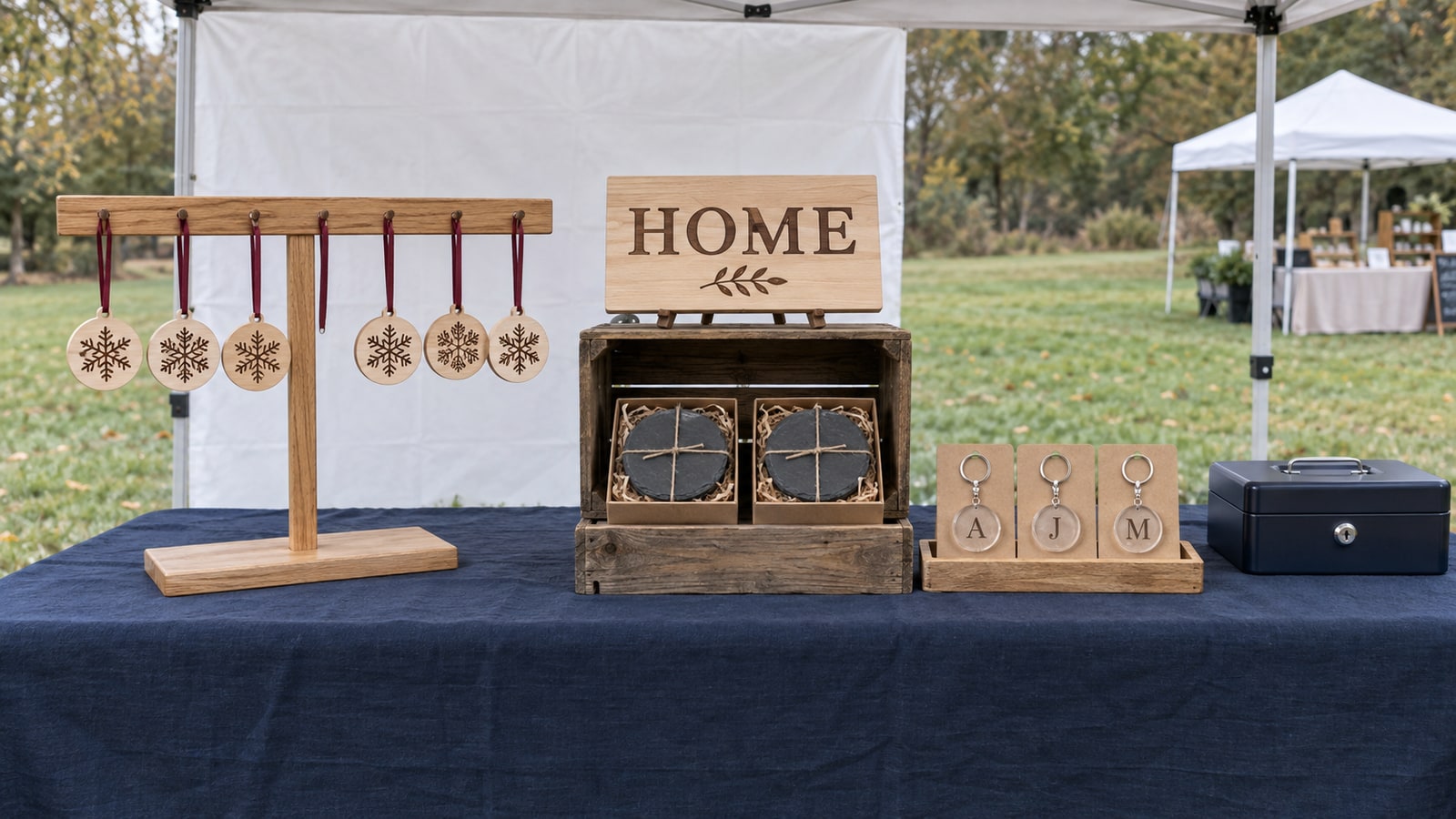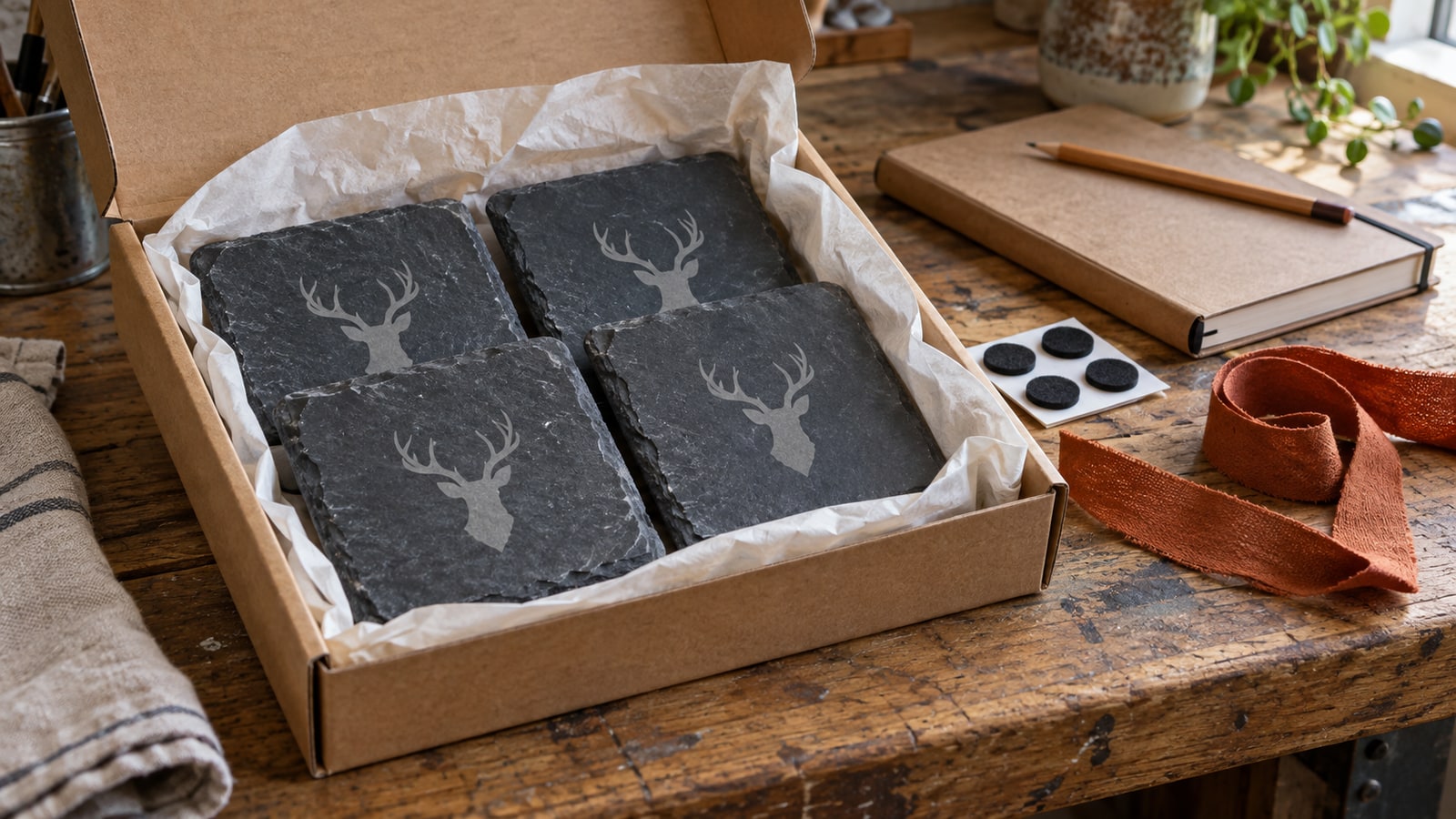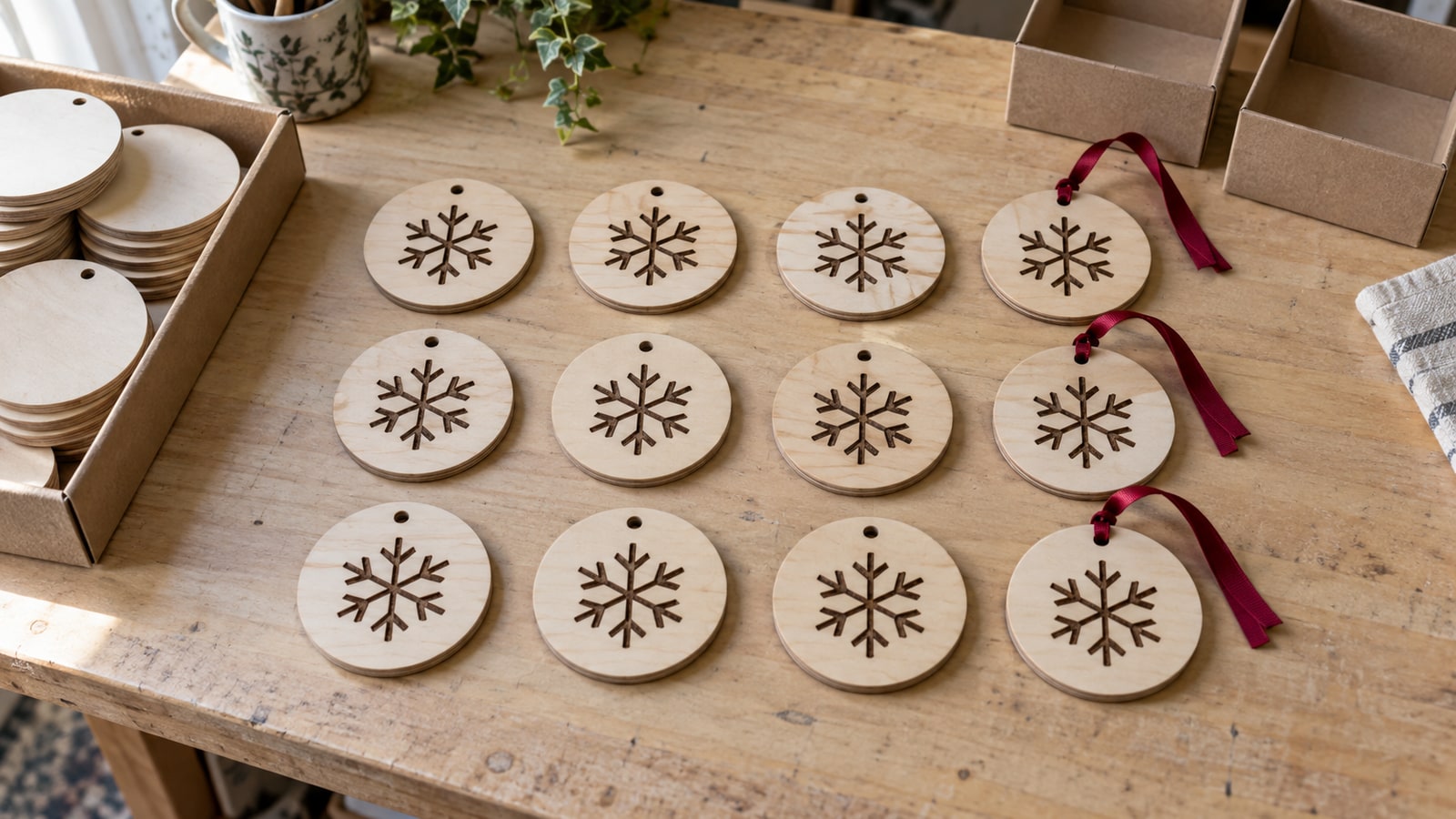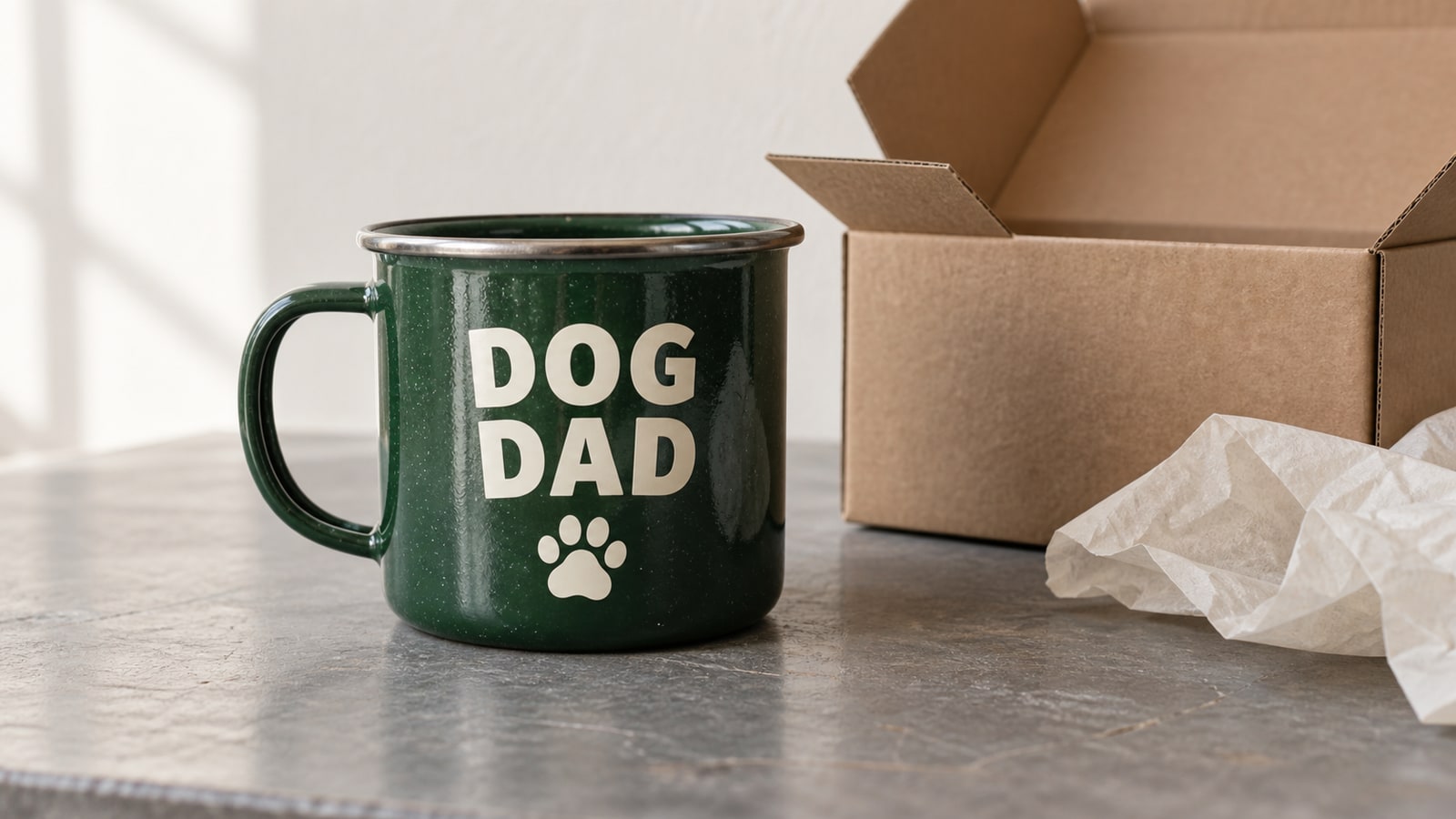
You have a cutting machine or a laser, a shelf of finished pieces, and at least three friends who have said "you should sell these." The gap between that moment and an actual shop with actual orders is what stops most makers. Not skill. Logistics: licensing, fees, listings, photos, and the fear of doing one of them wrong.
This guide walks the whole path, from the legal basis of selling products made from purchased designs to the systems that keep a shop alive once orders arrive.
Tip
The model in one sentence: buy SVG designs that include a commercial license, produce physical items on your own machine, and sell those items on Etsy. You are selling the wood, vinyl, or acrylic you made, never the file itself.
The business model, and what the license actually covers
The whole business rests on one distinction. A commercial license lets you sell physical products made from a design. It does not let you sell the design.
Every design from our store includes a commercial license with the purchase. No add-on, no upgrade tier, no per-unit cap. Engrave a design onto five hundred cutting boards and sell all five hundred, and you are fully inside the license.
Two limits to understand before you start:
- You cannot resell or redistribute the digital file. Selling the SVG itself, bundling it into your own pack, or sharing it with another maker all cross the line.
- The license belongs to the buyer. If you and a friend both want to produce from a pack, you each need your own copy. At $3.99 a pack, that is not the corner worth cutting.
For the full breakdown of edge cases, our commercial license guide goes deeper. The short version: sell what you make, never sell the file.
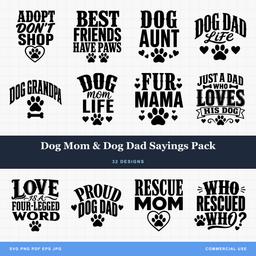 Dog Mom & Dog Dad Sayings Pack32 designs, commercial license included$3.99
Pick a niche before you pick products
The most common launch mistake is opening a shop that sells everything: signs, tumblers, earrings, ornaments, one of each. Buyers read that as a hobbyist clearing a craft room. A focused shop reads as a specialist, and specialists get the sale.
Focus on an audience, not a technique:
- Pet lovers. Breed signs, pet memorial pieces, dog mom and cat dad gifts. Pet buyers shop emotionally and buy repeatedly.
- Home decor. Farmhouse signs, kitchen boards, seasonal door hangers. Steady demand all year with seasonal spikes.
- Weddings. Cake toppers, place cards, welcome signs, memorial tributes. Higher price tolerance because the occasion matters.
- Kids and baby. Name signs, birth announcements, milestone markers. Personalization is the whole product here.
- Sports fans. Game day gear and team-themed pieces, using generic designs only. Team logos are trademarked, and Etsy takes down shops that use them.
Starting narrow does not trap you. It gives the algorithm and the buyer a coherent picture, and you expand outward once something works.
What Etsy charges
Fees are where new sellers get surprised, so put them in your math from day one. As published in Etsy's fee schedule at the time of writing, the main ones are:
| Fee | What Etsy publishes | When it applies |
|---|---|---|
| Listing fee | A small flat fee (0.20 USD) per listing | Each listing, renewing every four months or on sale |
| Transaction fee | A percentage of the item price plus shipping (6.5%) | Every sale |
| Payment processing | A percentage plus a flat amount, varying by country | Every sale paid through Etsy Payments |
| Offsite Ads | A larger percentage on sales Etsy's external ads generate | Only when a sale comes through those ads |
Etsy adjusts these from time to time, so check the current fee schedule on Etsy itself before you set prices. The planning rule that survives any adjustment: assume roughly a tenth of your sale price goes to fees, and price so that this does not hurt. Our pricing guide shows the full arithmetic with worked examples.
Setting up the shop
Name and branding
Pick a name that is easy to spell, easy to say out loud, and hints at what you make. Avoid anything so generic it could be any shop. A simple logo and banner from Canva are enough at launch. What matters is consistency: the same look across your shop, your packaging, and any social account you run.
The anatomy of a listing
Every listing has five jobs, and weak listings usually fail at one of them:
- Title. Front-load the words a buyer would actually type. "Personalized Dog Sign, Golden Retriever Gift, Laser Engraved Wood" beats "The Goldie" every time.
- Photos. Five to ten of them: the product straight on, detail close-ups, the item in its setting, and something for scale.
- Description. Materials, exact dimensions, customization options, care instructions, and production time. Answer the questions before they get asked.
- Tags. Etsy gives you thirteen. Use all thirteen, mixing your title keywords with variations and related phrases.
- Price. Built from your costs, not from a guess. Again, the pricing guide covers this properly.
A shortcut worth knowing: Craftgineer's ListingLab generates Etsy titles, descriptions, and tags from a product photo. It will not replace knowing your buyer, but it turns a blank listing form into a solid draft in minutes.
Photography sells the physical object
A buyer cannot pick up your sign or run a thumb over the engraving. Photos carry all of that, which makes them the highest-leverage hour you will spend on any listing.
No professional gear required. What is required:
- Natural light. Shoot near a large window during the day. An overcast sky is the cheapest softbox in existence.
- Clean backgrounds. White, raw wood, or a simple styled scene. Clutter competes with the product.
- Scale reference. A hand holding the ornament, the sign on an actual wall. Buyers consistently misjudge size without one, and size surprises become bad reviews.
- Multiple angles. Straight on, close detail of the engraving or weeded vinyl, and at least one lifestyle shot in the setting where it belongs.
- Personalization examples. If you offer custom names, show three or four made-up examples so buyers can picture their own.
Consistency across the shop matters as much as any single photo. One dark phone snap next to a bright crisp image reads as unreliable, and buyers feel that even when they cannot name it.
Etsy SEO without the mysticism
Etsy search is how most buyers arrive, and it rewards listings that plainly describe what they are. There is no trick, just discipline:
- Keywords first in titles. The opening words of your title carry the most weight in matching searches.
- Tags echo and extend the title. Repeat your core phrases, then add variations: "dog dad gift," "gift for dog lovers," "fathers day dog."
- Choose the most specific category. "Signs" beats "Home Decor" for a sign, because specificity helps Etsy place you in filtered browsing.
- Fill every attribute. Color, material, occasion, holiday. Each one is a filter a buyer might apply, and unfilled attributes exclude you from those results.
- Stay active. Etsy's own Seller Handbook notes that fresh listings get a look from search. Adding listings steadily beats dumping fifty in one week and going quiet.
Give any new listing a few weeks before judging it. Search position settles as Etsy gathers data on how buyers respond to it.
Shipping and packaging
Shipping quietly decides your margin, so plan it before you price anything.
Weigh and measure every finished product, packed, before it goes live. Guessing shipping costs is how a $28 sale becomes a $19 one. Where you can, build shipping into the item price and offer free shipping. Etsy has said it gives search priority to listings that ship free in certain markets, and buyers simply prefer one number to two. Check Etsy's current policy for the details, since the thresholds have changed over the years.
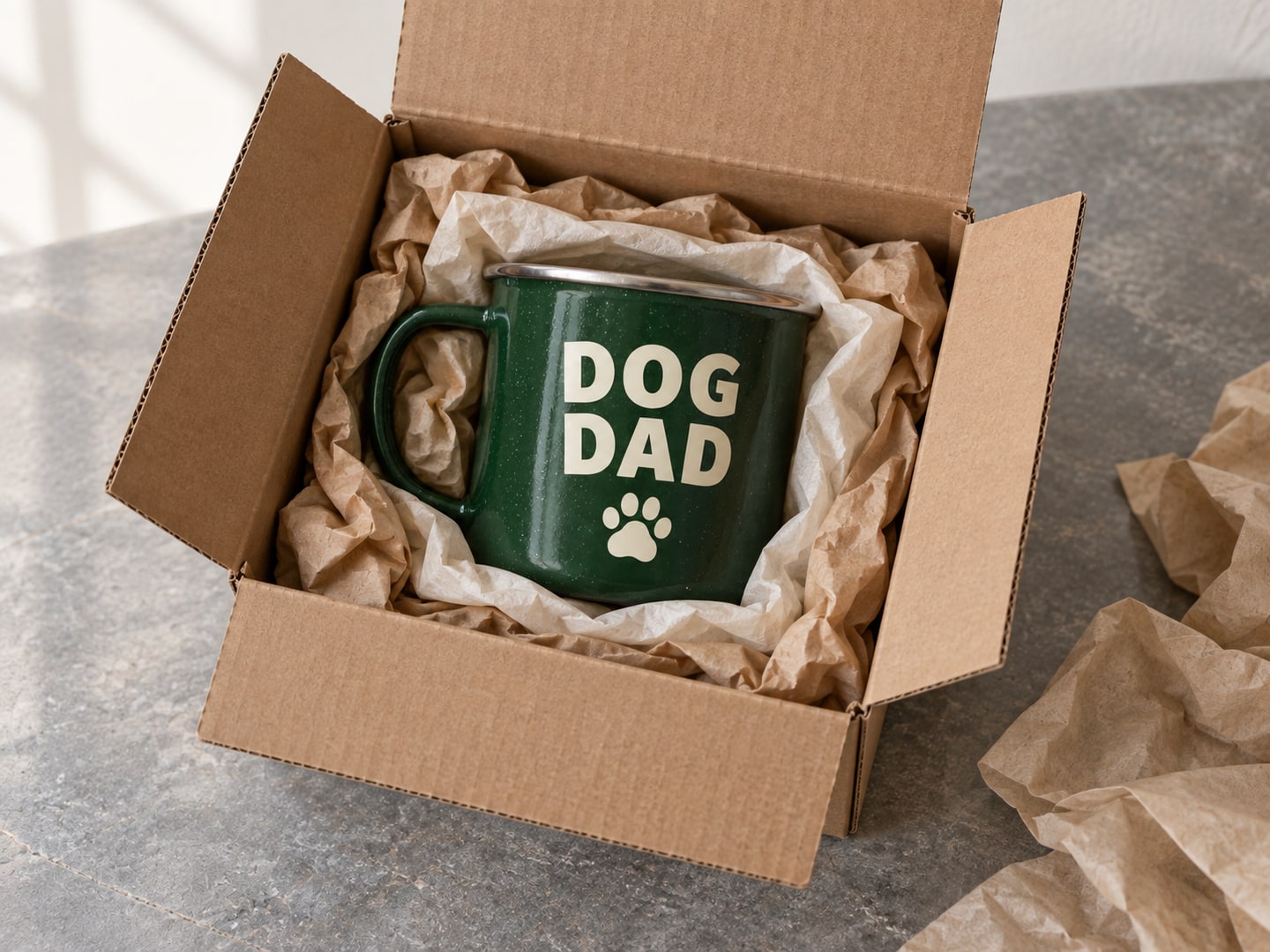
Packaging is your one physical touchpoint with the buyer. A logo sticker, a sheet of tissue, and a small thank-you card cost pennies per order and turn an envelope into an unboxing. That difference shows up directly in reviews.
Finally, set an honest processing time. If a personalized sign takes you four days, say five. Early delivery delights people. Late delivery, even by a day, does the opposite.
Choose files that are production friendly
Here is the part of this business we know from the inside, because we build the files. Two designs can look equally good on screen and behave completely differently in production, and the difference decides your margins once orders stack up.
What to look for before a design becomes a product:
- Detail that survives your process. Fine crosshatching engraves beautifully on wood and turns into an unweedable mess in vinyl. Match the design's finest strokes to the material you will actually use.
- Clean paths. A design with tidy nodes and no stray points cuts smoothly and predictably. Messy auto-traced files stall machines and produce fuzzy edges.
- Sensible layer structure. A single-layer silhouette is a five-minute product. A four-layer design is a beautiful, slower one. Know which you are stocking before the order comes in.
- Format coverage. Our packs ship as SVG, PNG, JPG, PDF, and EPS, so the same purchase feeds a Cricut, a laser running LightBurn, and a CNC without conversion headaches.
A production-friendly file is the difference between an order taking twelve minutes or forty. At scale, that is the whole business.
Scaling past the first sale
Launch with 10 to 20 listings
A shop with two listings looks abandoned. Ten or more well-photographed listings give the shop credibility and give Etsy search multiple doors into it. Keep adding regularly after launch.
Offer personalization
A name and a date turn a nice object into the gift someone was searching for, and buyers pay a premium for it. Our guide to personalizing SVG designs covers the file techniques that make custom text fast instead of fiddly.
Build production systems early
The first time you get six orders in a weekend, improvisation stops working. Batch similar orders, cut jigs for repeat products, and prepare files in advance. The batch production guide walks through the workflow.
Expand outward from what works
If dog signs sell, add cat signs. Then pet ornaments, then memorial pieces. Growth that follows proven demand beats growth that follows your mood, and your existing buyers become the first customers for each new line.
The first order, and what to do with it
When the first sale lands, resist the urge to just ship it and celebrate. The first orders are the cheapest market research you will ever get.
Note which listing sold, which search terms Etsy reports for it, and what the buyer chose if you offer options. One sale is an anecdote, but five sales of the same sign in the same finish is a pattern, and patterns tell you where to point your production time. Photograph the finished order before packing it, because real order photos gradually replace your launch photos with better ones.
Then follow up properly. Ship on time, include the thank-you card, and let Etsy's own review reminder do its work rather than pestering the buyer. Reviews compound: each one makes the next sale slightly easier, which is why the early months reward patience over promotion.
Mistakes that kill new shops
- Pricing too low. Racing to the bottom attracts the buyers who will leave anyway over fifty cents. Price from costs and hold the line.
- Inconsistent photos. The fastest way to look unprofessional without saying a word.
- Ignoring reviews. Respond to all of them, good and bad. Buyers read your responses as a preview of how you would treat them.
- No production system. Making every order from scratch caps your shop at hobby scale forever.
- Sloppy licensing. Using designs without a commercial license, or team trademarks, puts the whole shop at risk. Every design here includes the license, so this one is easy to get right.
Stock the shop
The designs below cover four proven Etsy niches: pet-lover sayings, home decor signs, weddings, and pet memorials. Every pack is $3.99 with the commercial license included, and if you want the whole library while you find your niche, the Platinum Club is $59.99 per year.
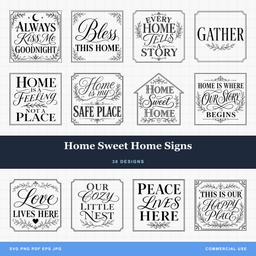 Home Sweet Home Signs30 designs, commercial license included$3.99
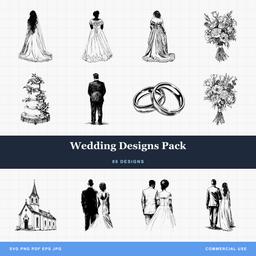 Wedding Designs Pack89 designs, commercial license included$3.99
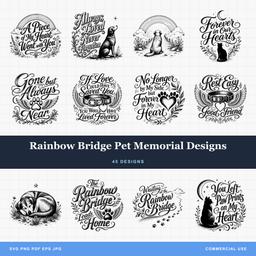 Rainbow Bridge Pet Memorial Designs45 designs, commercial license included$3.99
Not sure what to make first? Our guide to the best-selling craft items ranks the products that consistently move, on Etsy and at markets alike.
Designs for this project
Frequently Asked Questions
Can I legally sell products made from purchased SVG designs?
Yes, if the design comes with a commercial license. Every PrintCutCarve design includes one, so you can make and sell unlimited physical products from it. What you cannot do is resell or share the digital file itself.
How many listings should I launch my Etsy shop with?
Aim for 10 to 20 well-photographed listings before you announce the shop. A shop with two listings looks abandoned, and more listings give Etsy search more ways to surface you. Add new listings regularly after launch rather than posting everything at once.
Do I need to buy a design for every product I want to sell?
No. One design pack covers unlimited physical products, so a single 3.99 USD pack can supply an entire product line. Buy packs as your niche needs them, or use the Platinum Club at 59.99 USD per year if you want the whole library while you experiment.